

What is Holographic Memory Theory?
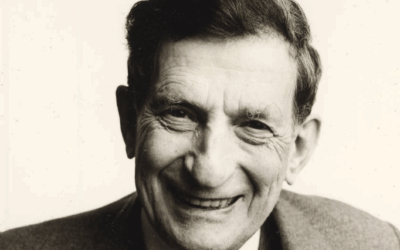
The holographic memory theory represents one of the most fascinating paradigm shifts in our understanding of the brain, memory, and consciousness. First proposed through the collaborative insights of neuroscientist Karl Pribram and quantum physicist David Bohm, this theory suggests that memory storage and retrieval operate according to principles similar to those found in holography. Unlike traditional models that locate specific memories in discrete neural regions, holographic memory theory proposes that memories are encoded as interference patterns distributed throughout the brain, with each part potentially containing access to the whole. This revolutionary concept offers profound implications for our understanding of consciousness, trauma healing, and the integration of mind-body approaches in psychotherapy.
This document explores the foundations of holographic memory theory, examines its neurobiological underpinnings, and investigates its applications to trauma treatment and consciousness studies. By integrating perspectives from neuroscience, psychology, and contemplative traditions, we aim to demonstrate how this model provides a comprehensive framework for understanding the multidimensional nature of human experience and healing. As explored in The Neuroscience of Trauma and Psychology, these integrative approaches offer powerful new paradigms for treatment.
Origins and Principles of Holographic Memory Theory
Historical Development
The holographic memory theory emerged from the convergence of Pribram’s neuroscientific research and Bohm’s work in quantum physics during the 1960s and 1970s. Pribram’s observations that memories persisted even after significant brain tissue removal challenged localizationist models of brain function. Concurrently, Bohm was developing his theory of the implicate order, suggesting that reality itself might be organized holographically, with each portion containing information about the whole in an “enfolded” state.
Their collaboration led to a revolutionary proposition: the brain operates according to holographic principles, storing information as interference patterns rather than in discrete locations. This perspective solved several puzzles in neuroscience, including how memories could survive substantial brain damage and how massive amounts of information could be stored within the brain’s finite capacity. This model has parallels in Eastern contemplative traditions as discussed in The Fusion of Mysticism and Psychology and has influenced approaches to understanding consciousness in both scientific and philosophical domains.
The Hologram as Metaphor
The holographic principle provides an elegant metaphor for understanding memory and consciousness. In a traditional hologram:
- A laser beam is split into two paths: a reference beam that shines directly onto a photographic plate and an object beam that reflects off the subject before reaching the plate.
- The interference pattern created by these two beams encodes the three-dimensional information of the object.
- When illuminated by a coherent light source, the plate reconstructs the original image in three dimensions.
- Most remarkably, if the holographic plate is broken into fragments, each piece can still reproduce the entire image, albeit with reduced resolution.
The brain, according to holographic theory, functions similarly. Neural activity creates interference patterns that encode memories across distributed networks. Each brain region potentially contains information about the whole memory, just as each fragment of a hologram contains the entire image. This distributed storage explains why memories often survive localized brain damage and why memory recall involves the activation of widespread neural networks rather than isolated areas.
This model shares conceptual similarities with biosemiotic approaches to psychology, which explore how meaning is encoded and transmitted throughout biological systems. The holographic metaphor also resonates with Carl Jung’s concept of the collective unconscious, suggesting a shared substrate of consciousness from which individual minds emerge.
Neuroscientific Evidence
Several lines of evidence support the holographic model:
- Karl Lashley’s experiments in the 1940s and 1950s demonstrated that rats could retain maze-running abilities despite removal of various brain regions, suggesting that memories were not localized but distributed.
- Modern neuroimaging studies reveal that memory recall activates widespread, distributed neural networks rather than isolated regions.
- Research on neuroplasticity shows the brain’s remarkable ability to reorganize and remap functions after injury, consistent with a holographic model of distributed information processing.
- Wave-like properties of neural activity, particularly the coherent oscillations observed in various frequency bands (alpha, beta, theta, gamma), resemble the interference patterns central to holographic recording.
Michael Gazzaniga’s split-brain research provides additional supporting evidence. His work with patients whose corpus callosum had been severed showed that consciousness can be fragmented yet maintain wholeness within each hemisphere, suggesting a holographic-like quality to conscious experience. Each hemisphere demonstrated the capacity to process information independently while maintaining its own coherent sense of self.
This perspective aligns with contemporary research on the subcortical brain and provides a framework for understanding how intuition may arise from brainstem processes. The holographic model also complements Antonio Damasio’s work on somatic markers and embodied cognition.
Trauma and Holographic Memory
Trauma’s Impact on Memory Systems
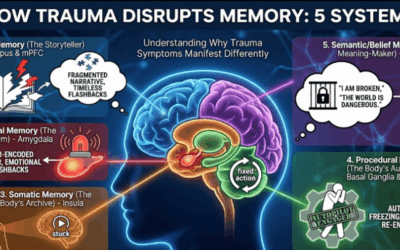
Trauma profoundly disrupts normal memory processing and integration. Unlike ordinary experiences that are encoded, consolidated, and retrieved as coherent narratives, traumatic events often become fragmented, with sensory, emotional, and cognitive elements stored separately. This fragmentation can be understood through the lens of holographic memory theory, which provides a framework for understanding how trauma impacts different memory systems:
- Semantic Memory: Trauma can disrupt the ability to integrate traumatic experiences into one’s general knowledge and understanding of the world, leading to difficulties in making meaning of the experience.
- Episodic Memory: Traumatic memories often exist as vivid sensory fragments rather than coherent narratives, with details encoded by the hippocampus disconnected from their temporal and spatial context.
- Procedural Memory: Trauma impacts the body’s automatic responses and movements, creating hypervigilance, startle responses, and somatic symptoms stored in implicit motor memory systems.
- Emotional Memory: The amygdala encodes intense emotional reactions associated with trauma, creating powerful emotional memories that may be triggered by reminders of the original event.
Antonio Damasio’s research on somatic markers provides crucial insights into this process. His work demonstrates how emotional experiences create bodily response patterns that influence decision-making and behavior. Traumatic experiences generate particularly powerful somatic markers that can persist long after the event, influencing perception and behavior outside conscious awareness. This aligns with the holographic model’s proposition that memories are encoded across multiple systems (cognitive, emotional, bodily) that together form a complete representation of experience.
This perspective is complemented by research on the Window of Tolerance, a concept that describes the optimal arousal zone for integrating traumatic experiences. The fragmentation of traumatic memory also relates to collective trauma perspectives that examine how trauma affects groups and societies.
The Neurobiology of Trauma According to Holographic Principles
From a holographic perspective, trauma disrupts the coherent interference patterns that normally integrate various aspects of experience. The brain’s ability to create coherent “wholes” from the distribution of “parts” becomes compromised. This disruption manifests neurobiologically through:
- Dysregulation of the default mode network (DMN), executive control network, and salience network, which normally coordinate to create coherent experiences.
- Hyperactivation of the amygdala and other limbic structures involved in emotional processing.
- Reduced activity in the prefrontal cortex, impairing the integration of emotional and cognitive information.
- Dissociation between hippocampal and amygdala functioning, separating contextual and emotional aspects of memory.
This neurobiological fragmentation explains why traumatized individuals often experience disconnected flashbacks, bodily sensations without narrative context, or emotional reactions without conscious memory of the triggering event. The holographic model suggests that healing requires restoring coherence to these fragmented interference patterns, reintegrating the separated aspects of experience.
Recent research on schizophrenia, trauma, and the double bind provides additional insights into how severe psychological stress can disrupt the brain’s integrative functions. This aligns with Paul MacLean’s triune brain model, which describes how trauma can cause disconnections between evolutionary layers of the brain.
Holographic Approaches to Trauma Healing
The holographic memory model has profound implications for trauma treatment, suggesting that effective healing must address multiple memory systems simultaneously. Several innovative therapeutic approaches align with this perspective:
Brainspotting
Developed by David Grand, Brainspotting identifies specific eye positions that correlate with neural activation related to traumatic memories. By maintaining focus on these “brainspots” while processing emotional material, patients can access and integrate previously fragmented trauma components.
The technique works holographically by:
- Using eye position as an access point to distributed neural networks containing traumatic memory components.
- Facilitating communication between subcortical regions (where somatic and emotional trauma aspects are stored) and cortical areas (where narrative integration occurs).
- Allowing simultaneous processing of various memory components (sensory, emotional, cognitive) to restore coherent integration.
Research on Brainspotting suggests it promotes neural integration across regions typically dysregulated in trauma, including the insula, anterior cingulate cortex, and amygdala, consistent with restoring holographic coherence to fragmented memory patterns. This approach shares conceptual foundations with other parts-based therapy approaches that recognize the distributed nature of psychological experiences.
QEEG Brain Mapping and Neurofeedback
Quantitative electroencephalography (QEEG Brain Mapping) provides a window into the brain’s electrical activity, allowing visualization of the neural interference patterns predicted by holographic theory. When applied to trauma treatment, QEEG mapping can:
- Identify dysregulated brain regions and networks associated with traumatic memory storage.
- Guide neurofeedback interventions that help restore optimal frequency patterns and neural coherence.
- Provide objective measures of neural reorganization as trauma healing progresses.
Neurofeedback based on QEEG findings operates on holographic principles by training the brain to restore coherent oscillatory patterns across distributed networks. By normalizing these interference patterns, neurofeedback may help reintegrate fragmented aspects of traumatic memories, promoting wholeness and healing. This approach demonstrates how modern technology can facilitate the natural integrative processes described in holographic memory theory.
Emotional Transformation Therapy (ETT)
Developed by Steven Vazquez, Emotional Transformation Therapy (ETT) utilizes light and color stimulation, eye position, and specific therapeutic interactions to transform emotional responses. ETT aligns with holographic memory theory by:
- Using visual stimulation to access distributed neural networks storing emotional memory components.
- Employing specific eye positions that serve as access points for different aspects of emotional experience.
- Creating new interference patterns that can transform emotional responses at the neural level.
ETT’s integration of visual processing, eye movement, and emotional processing parallels the holographic model’s emphasis on interference patterns and distributed information storage. By introducing new patterns of neural activity through precise visual stimulation, ETT may help reorganize the holographic encoding of traumatic memories.
The use of color in ETT connects to research on how color and light can heal trauma and the psychology of color, providing additional pathways for accessing and transforming holographically stored traumatic memories.
Sensorimotor Psychotherapy and Somatic Experiencing
Developed by Pat Ogden and Peter Levine respectively, these body-centered approaches recognize that trauma is stored in procedural memory and somatic responses. Somatic Experiencing and related methods align with holographic memory theory by:
- Addressing the bodily component of distributed traumatic memories, recognizing that the body contains holographic “pieces” of the whole experience.
- Facilitating completion of interrupted defensive responses stored in procedural memory.
- Integrating bodily sensations with emotional and cognitive components to restore coherence.
These approaches exemplify Damasio’s understanding of how bodily states influence mind and emotion, recognizing that the body itself contains holographically distributed information about traumatic experiences that must be included in the healing process.
The holographic framework provides theoretical support for methods like Somatic Trauma Mapping, which helps clients identify where and how trauma manifests in their bodies, accessing the distributed nature of traumatic memory. These approaches also connect to Jungian concepts of the shadow in relationships, as trauma patterns often manifest in relational dynamics.
Consciousness and Holographic Memory
Holographic Theory and Expanded Models of Consciousness
The holographic model offers a framework for understanding consciousness that transcends traditional materialist perspectives. Several key theorists have expanded on this connection:
Carl Jung’s concept of the collective unconscious resonates with holographic principles, suggesting a shared substrate of consciousness from which individual minds emerge. Jung’s archetypes can be understood as holographic patterns embedded in the collective field, with each individual accessing portions of this universal information.
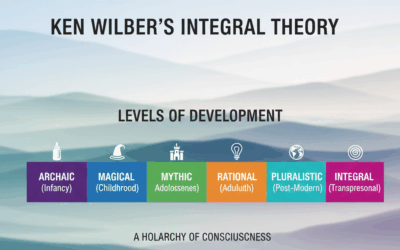
Ken Wilber has integrated holographic theory into his integral approach to consciousness. His model proposes that reality is organized holographically across multiple dimensions or “holons,” with each level containing aspects of all others in nested form. Wilber’s integration of Eastern contemplative traditions with Western scientific approaches parallels the holographic model’s ability to bridge objective and subjective domains.
James Hillman’s archetypal psychology similarly recognizes patterns that manifest across different levels of reality, suggesting a holographic relationship between individual psyche and collective patterns. His emphasis on imagination as a primary mode of knowing aligns with the holographic model’s recognition that perception is a constructive process involving the whole rather than a passive reception of external stimuli.
These perspectives connect with anthropological research on indigenous worldviews and the perennial philosophy, which similarly recognize the interconnected nature of consciousness across cultures and traditions.
Erich Neumann and the Evolution of Consciousness
Erich Neumann, a student of Jung, developed a model of consciousness evolution that aligns with holographic principles. In his work “The Origins and History of Consciousness,” Neumann describes how consciousness evolves through stages that both transcend and include previous levels, reflecting the holographic principle that each part contains aspects of the whole.
Neumann’s understanding of the relationship between individual and collective consciousness parallels the holographic model’s integration of part and whole. Just as each fragment of a hologram contains the entire image at lower resolution, each individual consciousness contains aspects of the collective field while maintaining its unique perspective.
This developmental perspective resonates with Jean Gebser’s work on the evolution of consciousness through different structures (archaic, magical, mythical, mental, and integral), each containing aspects of previous stages in a holographic-like relationship. It also connects to concepts of animism and ritual in psychology, which explore how ritual and symbolic practices can facilitate integration of fragmented experiences.
Edward Edinger and the Ego-Self Relationship
Edward Edinger expanded on Jung’s work, particularly regarding the relationship between ego and Self. His model of psychological development describes how the ego emerges from and relates to the larger Self in a process he called “the creation of consciousness.” This relationship can be understood holographically, with the ego representing a specific manifestation of the more comprehensive Self, just as a specific view of a hologram represents one perspective on the entire encoded image.
Edinger’s concept of ego inflation and alienation describes states where the ego either identifies completely with the Self or becomes completely separated from it. Holographic healing involves restoring the proper relationship between part (ego) and whole (Self), allowing for both individual identity and connection to the larger field of consciousness.
This perspective connects with analytical psychology approaches that employ symbolic work to facilitate integration between conscious and unconscious aspects of the psyche. It also relates to concepts in myth and symbol interpretation, understanding how universal patterns manifest in individual consciousness.
Integration: Holographic Memory, Trauma, and Consciousness Evolution
The holographic model provides a unifying framework for understanding the relationship between memory, trauma, and consciousness. Several integrative principles emerge:
Multiple Memory Systems and Healing Wholeness
As Sherry and Schacter proposed, distinct memory systems evolved to serve different adaptive functions. The holographic model suggests these systems are interconnected aspects of a unified field, with each providing a different “view” of the whole. Trauma disrupts this integration, creating fragmentation across systems.
Effective healing requires addressing all affected memory systems, recognizing that each contains aspects of the traumatic experience encoded in its own “language”:
- Semantic memory requires narrative integration and meaning-making.
- Episodic memory needs contextual processing and temporal sequencing.
- Procedural memory requires completion of interrupted action patterns.
- Emotional memory needs regulation and reconsolidation.
By working across these systems, therapeutic approaches like Brainspotting, Emotional Transformation Therapy, and Sensorimotor Psychotherapy restore coherence to the holographic whole, allowing the individual to integrate previously fragmented aspects of experience.
This integrative approach connects with meta-cognitive methods that help clients observe their own consciousness processes, facilitating the re-integration of fragmented experiences. It also aligns with research on family scripts and patterns, recognizing how trauma patterns distribute across relational systems.
Brain Networks and Consciousness
The interaction between the default mode network (DMN), executive control network, and salience network provides a neurobiological basis for understanding the holographic nature of consciousness. These networks create the coherent interference patterns that generate our sense of unified experience.
Trauma disrupts these networks’ coordination, fragmenting the holographic field of consciousness. Healing involves restoring optimal communication between networks, allowing for the reintegration of separated aspects of experience. This aligns with Gazzaniga’s research on the integrated nature of consciousness across brain regions and hemispheres.
These insights connect with emerging perspectives on brain-gut connections and how nutrition affects mental health, recognizing that consciousness emerges from the holographic interplay of multiple bodily systems, not just the brain. This expanded view supports holistic approaches to healing that address both psychological and physiological aspects of trauma.
Transformative Implications for Psychotherapy
A holographic approach to psychotherapy transcends the traditional divide between cognitive, emotional, and somatic interventions. It recognizes that effective healing must address all dimensions simultaneously, as each contains aspects of the whole experience.
This perspective supports integrative approaches that combine:
- Traditional talk therapy for narrative integration.
- Body-centered interventions for procedural memory processing.
- Emotional regulation techniques for limbic system reconsolidation.
- Meaning-making processes for semantic memory integration.
By recognizing the holographic nature of memory and consciousness, therapists can develop more comprehensive interventions that address the multidimensional nature of traumatic experience and facilitate more complete healing. This connects with metamodern perspectives on psychotherapy that seek to integrate multiple therapeutic modalities rather than treating them as competing paradigms.
The Spiritual and Philosophical Dimensions of Holographic Memory
Resonance with Contemplative Traditions
The holographic memory theory has striking parallels with many traditional contemplative systems. These connections suggest that ancient wisdom traditions may have intuitively recognized aspects of consciousness that modern neuroscience is only beginning to articulate:
- Eastern Philosophies: The Buddhist concept of Indra’s Net describes reality as an infinite network where each node contains reflections of all others—remarkably similar to holographic principles. The fusion of mysticism and psychology reveals how these ancient insights complement modern neuroscientific discoveries.
- Perennial Philosophy: Perennial philosophy traditions recognize a fundamental unity underlying the apparent diversity of existence, suggesting that individual consciousness participates in a larger universal consciousness—a perspective aligned with holographic principles.
- Alchemy and Mysticism: The alchemical maxim “as above, so below” reflects the holographic principle that patterns repeat across different scales of reality. This connects with the work of theorists like Zosimos and Hermes Trismegistus, who articulated early holographic-like conceptions of consciousness.
These traditions provide complementary frameworks for understanding the holographic nature of consciousness and may offer valuable insights for developing healing approaches that address both scientific and spiritual dimensions of human experience.
Philosophical Implications for Understanding Self and Reality
The holographic memory model raises profound philosophical questions about the nature of self and reality:
- The Constructed Nature of Reality: If perception and memory operate holographically, then our experience of reality is actively constructed rather than passively received. This perspective resonates with phenomenological approaches that emphasize the role of consciousness in constituting experience.
- The Relationship Between Part and Whole: The holographic principle that each part contains the whole challenges conventional understandings of identity and individuality. This connects with Martin Buber’s I-Thou relationship philosophy and hermeneutic approaches that understand meaning as emerging from the interplay between parts and wholes.
- Non-Locality of Consciousness: The distributed nature of holographic memory suggests that consciousness may not be strictly localized to the brain. This opens dialogue with transpersonal psychology and philosophical traditions that explore consciousness beyond individual boundaries.
These philosophical dimensions connect to metamodern perspectives that aim to integrate scientific and contemplative approaches to consciousness rather than treating them as inherently opposed.
The holographic memory theory provides a revolutionary framework for understanding the brain, memory, trauma, and consciousness. By recognizing that memories are stored as interference patterns distributed throughout the brain rather than in discrete locations, this model explains numerous phenomena that traditional approaches struggle to address.
For trauma healing, the holographic perspective offers particularly valuable insights. It explains why traumatic memories often fragment across different systems (cognitive, emotional, somatic) and why effective healing requires multidimensional approaches that address all affected systems. Innovative techniques like Brainspotting, QEEG neurofeedback, Emotional Transformation Therapy, and Somatic Experiencing operate on holographic principles by facilitating integration across these systems.
At the level of consciousness studies, the holographic model provides a bridge between neuroscientific understanding and broader philosophical and spiritual perspectives. It resonates with Jung’s collective unconscious, Wilber’s integral theory, Neumann’s evolution of consciousness, and Edinger’s ego-Self relationship, offering a comprehensive framework for understanding how individual consciousness relates to the larger field of awareness.
As we continue to explore the holographic nature of mind and brain, new possibilities emerge for healing trauma, expanding consciousness, and understanding the fundamental nature of human experience. This model invites us to transcend reductionist approaches and embrace a more integrated view of memory, trauma, and consciousness—one that honors the whole while recognizing the unique contribution of each part.
The holographic memory paradigm represents a profound shift in perspective that could transform our approach to mental health and well-being. By integrating insights from neuroscience, depth psychology, ancient wisdom traditions, and contemporary therapeutic practices, we gain a more complete understanding of human consciousness and its potential for healing and transformation.
2025 Research Addendum: Recent Research on Holographic Memory Resolution
Introduction
Holographic Memory Resolution (HMR) is an emerging mind-body therapeutic approach developed by Brent Baum in the early 1990s. HMR integrates elements of energy psychology, guided imagery, and clean-language interviewing into a unified framework designed to address trauma imprinting and its associated symptoms. Despite decades of clinical use, formal research on HMR has only recently begun to appear in peer-reviewed literature. This addendum summarizes the current state of research on HMR and situates it within the broader landscape of trauma-focused and energy psychology interventions.
First Published Clinical Study: Gaddy et al. (2024)
The landmark study by Gaddy, Baum, and colleagues, published in Psychiatric Research and Clinical Practice in 2024, represents the first peer-reviewed clinical trial examining HMR. This feasibility study enrolled 60 adults experiencing chronic pain (rated 4 or higher on a 0-10 scale for 6 or more months) at two U.S. clinics between October 2021 and July 2022.
Key Findings
- Feasibility demonstrated: 73% of participants completed all four 90-minute HMR sessions, meeting the predetermined feasibility threshold of 70%.
- Depression: Significant reduction (p = 0.05), with mean scores decreasing from 10.9 at baseline to 6.9 at session 4.
- Anxiety: Significant reduction (p = 0.03), with mean scores decreasing from 9.4 to 4.9.
- Somatic symptom burden: Significant reduction (p < 0.01), with mean scores decreasing from 14.9 (very high) to 8.3 (medium).
- PTSD symptoms: Significant reduction (p = 0.01), with mean PCL-5 scores decreasing from 29.2 to 15.8.
- Vitality: Improved from 3.7 to 4.2, though not statistically significant (p = 0.72).
Sample Characteristics
Participants ranged in age from 19 to 80 years (mean approximately 50 years). The sample was predominantly female (85%) and Caucasian (87%). Notably, 52% reported ACE scores indicating high risk for toxic stress response, suggesting a population with significant trauma histories. The authors acknowledged limitations including the lack of randomization, absence of a control group, and limited racial and ethnic diversity.
Prior Literature on HMR
Prior to the Gaddy et al. study, published literature on HMR was limited to descriptive and integrative perspective pieces. Brandman (2005) published a brief article in Perspectives in Psychiatric Care introducing HMR to the psychiatric nursing community. This integrative perspective described HMR’s theoretical foundations and clinical applications but did not include outcome data. Additional descriptions of HMR appeared in practitioner-oriented publications and training materials, documenting anecdotal outcomes with over 20,000 trauma survivors, but no formal clinical trials had been conducted until the 2024 study.
Theoretical Foundations
Holonomic Brain Theory
HMR draws its name and conceptual framework from Karl Pribram’s holonomic brain theory. Pribram, a neuropsychologist who collaborated with physicist David Bohm, proposed that memory storage in the brain operates similarly to holographic encoding, where information is distributed non-locally within neural regions rather than stored at specific sites. This theory suggests that a fragment of memory contains information about the whole, enabling access to complete memories through targeted intervention at specific body locations. HMR practitioners utilize this concept to target specific moments and sites of trauma encoding.
Clean Language Methodology
HMR incorporates clean-language interviewing, originally developed by David Grove in the 1980s for trauma resolution. Clean language uses questions that minimize therapist contamination of client metaphors, allowing individuals to access and resolve traumatic memories using their own internal symbolic language. Grove’s research demonstrated that clients naturally use metaphors to describe traumatic experiences, and that preserving these metaphors without therapist reinterpretation facilitates more effective resolution. His 1989 book Resolving Traumatic Memories: Metaphors and Symbols in Psychotherapy, co-authored with Basil Panzer, established the foundation for this approach.
Energy Psychology Integration
HMR is classified within the broader family of energy psychology approaches, which integrate manual stimulation or attention to body-based processes with cognitive and exposure elements. Unlike tapping-based energy psychology methods (such as EFT or TFT), HMR does not utilize acupoint stimulation but instead employs color, associated sensory features, and breathwork to facilitate the resolution of trauma-encoded emotions.
Related Research on Energy Psychology and Trauma-Focused Interventions
Energy Psychology Meta-Analyses
Recent meta-analyses provide context for understanding HMR within the broader landscape of energy psychology approaches. Stapleton et al. (2023) conducted a meta-analysis of six studies using Emotional Freedom Techniques (EFT) for PTSD treatment, finding a large effect size (Hedge’s g = 1.86) after 4-10 sessions. Feinstein (2023) reviewed energy psychology research, documenting statistically significant improvements across anxiety, depression, PTSD, chronic pain, fibromyalgia, and other conditions. While HMR was not included in these meta-analyses due to the absence of published clinical trials at the time, the positive findings for related approaches suggest potential efficacy for body-mind interventions targeting trauma.
Emotional Awareness and Expression Therapy (EAET)
A 2024 randomized controlled trial published in JAMA Network Open by Yarns et al. examined Emotional Awareness and Expression Therapy (EAET) for chronic pain in older veterans. Like HMR, EAET targets the emotional and trauma-related components of chronic pain. The study found that 63% of EAET participants achieved clinically significant pain reduction (30% or greater) compared to 17% of cognitive behavioral therapy participants. EAET participants also showed greater improvements in PTSD symptoms, anxiety, depression, and life satisfaction. These findings support the broader premise underlying HMR that addressing emotional trauma can significantly impact chronic pain outcomes.
Childhood Trauma and Chronic Pain
A 2024 systematic review by Karimov-Zwienenberg et al. published in PLoS ONE examined relationships between childhood trauma, PTSD/CPTSD, and chronic pain. The review highlighted the importance of addressing trauma histories in chronic pain populations, a perspective central to HMR’s approach. The Gaddy et al. study’s finding that 52% of participants had ACE scores indicating high risk for toxic stress aligns with this body of research linking early trauma to chronic pain conditions.
Distinguishing Features of HMR
Several characteristics distinguish HMR from other mind-body and trauma-focused therapies:
- Client-centered language: HMR exclusively uses the participant’s own words and metaphors, avoiding therapist-introduced interpretations or frameworks.
- Body-site specificity: Drawing on holonomic theory, HMR targets specific body locations where trauma is encoded, distinguishing it from approaches that use predetermined meridian points.
- Color and sensory integration: HMR incorporates associated sensory features, particularly color, as resources for establishing safety and facilitating resolution.
- Alpha-theta state utilization: HMR sessions involve guided relaxation to induce alpha-theta brainwave states, facilitating access to subconscious material without formal hypnotic induction.
- Emotional reframing without reliving: HMR aims to resolve the emotional charge of traumatic memories without requiring full re-experiencing of the event.
Future Research Directions
The Gaddy et al. feasibility study establishes a foundation for more rigorous evaluation of HMR. The authors recommend a randomized controlled trial as the next step, potentially using a stepped-wedge design to ensure all participants receive the intervention. Additional research priorities include:
- Comparison studies with established trauma therapies (EMDR, prolonged exposure, CBT)
- Investigation of neurobiological mechanisms using imaging methodologies
- Studies with diverse populations across racial, ethnic, and cultural backgrounds
- Examination of specific pain conditions and trauma types
- Long-term follow-up studies to assess durability of effects
Conclusion
The publication of the Gaddy et al. (2024) study marks a significant milestone for HMR, transitioning it from a clinically utilized but empirically unevaluated intervention to one with preliminary research support. The significant reductions in depression, anxiety, somatic symptoms, and PTSD symptoms observed in this feasibility study warrant further investigation through controlled trials. HMR’s integration of holonomic theory, clean language methodology, and energy psychology principles offers a unique therapeutic approach that may complement or provide alternatives to existing trauma-focused treatments. As the evidence base for trauma-informed pain interventions continues to grow, HMR represents a promising avenue for addressing the complex interrelationship between trauma and chronic pain.
References
Brandman, W. (2005). Integrative perspectives: Holographic memory resolution. Perspectives in Psychiatric Care, 41(3), 139-141. https://doi.org/10.1111/j.1744-6163.2005.00026.x
Feinstein, D. (2023). Using energy psychology to remediate emotional wounds rooted in childhood trauma: Preliminary clinical guidelines. Frontiers in Psychology, 14, 1277555. https://doi.org/10.3389/fpsyg.2023.1277555
Gaddy, M. D., Baum, B., Kiesow, B., Coombs, N. C., Beamon, E. R., Mullowney, Y., Williams, G. C., & Brant, J. M. (2024). The use of Holographic Memory Resolution to improve the physical and biopsychosocial symptoms of chronic pain: A feasibility, mixed methods study. Psychiatric Research and Clinical Practice, 6(1), 4-11. https://doi.org/10.1176/appi.prcp.20230028
Grove, D. J., & Panzer, B. I. (1989). Resolving traumatic memories: Metaphors and symbols in psychotherapy. Irvington Publishers.
Karimov-Zwienenberg, M., Symphor, W., Peraud, W., & Etcheverry, P. E. (2024). Childhood trauma, PTSD/CPTSD and chronic pain: A systematic review. PLoS ONE, 19(8), e0309332. https://doi.org/10.1371/journal.pone.0309332
Pribram, K. H. (1991). Brain and perception: Holonomy and structure in figural processing. Lawrence Erlbaum Associates.
Stapleton, P., Buchan, C., Mitchell, I., McGrath, Y., Gorton, P., & Carter, B. (2023). Clinical EFT as an evidence-based practice for the treatment of psychological and physiological conditions: A systematic review. Frontiers in Psychology, 13, 951451. https://doi.org/10.3389/fpsyg.2022.951451
Yarns, B. C., Jackson, N. J., Alas, A., Melrose, R. J., Lumley, M. A., & Sultzer, D. L. (2024). Emotional awareness and expression therapy vs cognitive behavioral therapy for chronic pain in older veterans: A randomized clinical trial. JAMA Network Open, 7(6), e2415842. https://doi.org/10.1001/jamanetworkopen.2024.15842
HMR Publication Research on HMR











0 Comments