
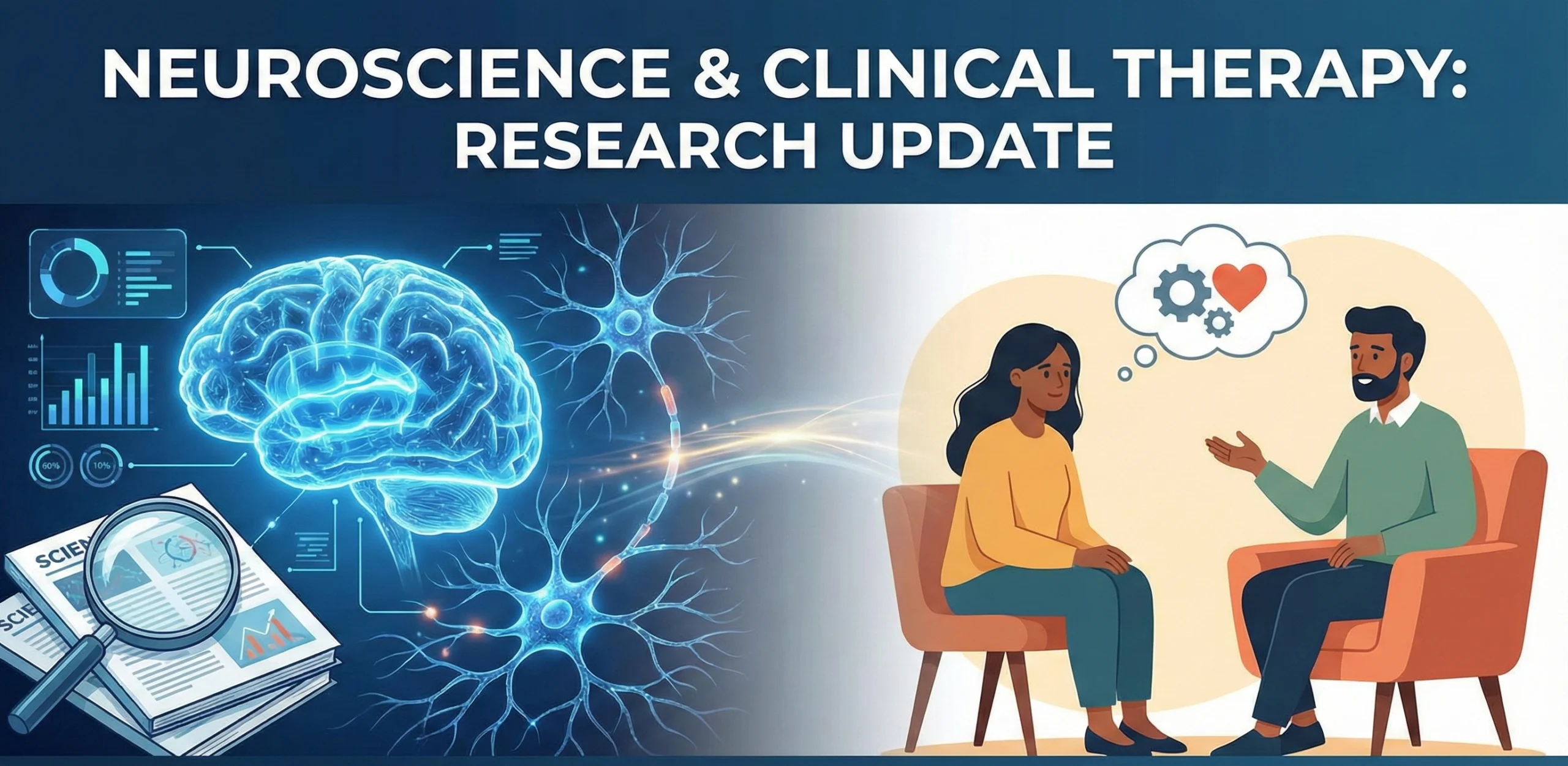
Beyond the Synapse: The Systemic Revolution in Treatment-Resistant Depression
For half a century, psychiatry treated depression as a chemical imbalance isolated above the neck. Discover how Precision Psychiatry is leveraging the autonomic nervous system, the gut-brain axis, and subcortical neuromodulation to heal refractory patients.
The Fall of the Medical Model
We are officially moving beyond the biomedical framework that relies exclusively on SSRIs and top-down Cognitive Behavioral Therapy (CBT). As highlighted by the failure of evidence-based incentive structures and independent reanalyses of the landmark STAR*D trial, the sustained remission rates for standard pharmacotherapy are mathematically dismal. Treating complex depression requires revisioning psychotherapy beyond the biomedical model.
The clinical management of Major Depressive Disorder (MDD) and Treatment-Resistant Depression (TRD) is currently undergoing a paradigm shift of historical significance. The monoamine hypothesis—which posits that depressive symptomatology is primarily the result of deficits in serotonin, norepinephrine, and dopamine—drove the absolute ubiquity of SSRIs and SNRIs. While these agents remain a first line of defense, epidemiological data reveals a stark reality: approximately one-third of patients fail to achieve remission with standard pharmacotherapy, and a significant percentage experience persistent residual symptoms including anhedonia, cognitive fog, and somatic anxiety.
As we advance through 2026, the research horizon has fundamentally expanded. The field is moving beyond the synapse to encompass a systems biology approach that integrates the autonomic nervous system, deep subcortical brain structures responsible for threat detection, and the complex ecology of the gut microbiome.
The New Modalities: Hardware Resets and Software Reprogramming
Autonomic Resetting: The Stellate Ganglion Block
The Stellate Ganglion Block (SGB) represents one of the most compelling crossovers from pain medicine to psychiatry in the last decade. Historically utilized for Complex Regional Pain Syndrome, SGB involves injecting a local anesthetic into a collection of sympathetic nerves located anterior to the C6 and C7 vertebrae.
In agitated depression, the Sympathetic Nervous System becomes locked in a persistent state of high tone. Elevated levels of Nerve Growth Factor and norepinephrine create a positive feedback loop sustaining hyperarousal. By bathing the ganglion in anesthetic, SGB temporarily blocks nerve impulse transmission, breaking the recursive loop of overactivation. Although the anesthetic metabolizes quickly, the procedure acts as a "hardware reboot," allowing the autonomic baseline to reset.
Recent investigations explicitly isolate its effects on depressive symptomatology. A pivotal 2024 study found significant reductions in depression scores, while a retrospective chart review of bilateral blocks demonstrated statistically significant reductions in anxiety. For patients whose depression manifests as exhausted agitation, SGB lowers the catastrophic metabolic cost of constant vigilance.
Fritz Perls & The Alienated Body
Fritz Perls built Gestalt therapy upon the premise that psychological distress is trapped as muscular armor and neuromuscular tension—an "unclosed gestalt." The SGB achieves biologically what Perls attempted experientially: it forces the alienated, defensive body to finally drop its armor, allowing the frozen physiological gestalt of trauma to physically complete its cycle and release.
Subcortical Reprogramming: DBR and Brainspotting
As biological psychiatry targets the autonomic chain, psychotherapy is descending from the prefrontal cortex to the non-verbal processing of the midbrain. Brainspotting and Deep Brain Reorienting (DBR) posit that deep depressive states are stored in subcortical capsules inaccessible to standard CBT.
Developed by Dr. David Grand, Brainspotting proves that "where you look affects how you feel." The therapist helps the client locate a specific eye position that triggers a somatic response, maintaining a Dual Attentional Frame to bypass the cognitive defenses of the neocortex. Pilot studies confirm its efficacy in reducing depressive inventories by resolving underlying trauma.
Deep Brain Reorienting (DBR), developed by Dr. Frank Corrigan, targets the brainstem's Orienting-Tension-Shock-Affect sequence. Trauma impacts the Superior Colliculus and Periaqueductal Gray before reaching the cortex. By focusing on the orienting tension in the neck and face, DBR aims to process trauma at its physiological root. Studies report a 48.6% reduction in CAPS scores at a 3-month follow-up, proving vital for patients suffering from pre-verbal attachment shock.
Carl Jung & The Subcortical Shadow
Carl Jung warned that over-relying on the conscious intellect severed humans from the primal depths of the psyche. Subcortical therapies act as modern portals to the Jungian Shadow. Bypassing words entirely, they allow the nervous system to actively metabolize the non-verbal, archaic pain that the ego aggressively represses.
Vagus Nerve Stimulation & Polyvagal Technologies
Polyvagal Theory posits a hierarchy of the autonomic nervous system, emphasizing the role of the Ventral Vagal system in social engagement and safety. While anatomical debates exist, the direct modulation of the vagus nerve is a heavily validated treatment for depression.
Surgically implanted VNS remains FDA-approved, supported by long-term data for severe recurrent depression. However, Transcutaneous VNS (tVNS), which stimulates the ear or neck, is rapidly democratizing this tech, reducing depression scores significantly better than sham. Wearables like the Apollo Neuro device use low-frequency vibrations to mimic human touch, communicating safety directly to the brain and demonstrating statistically significant improvements in Heart Rate Variability.
Carl Rogers & The Physiology of Safety
Carl Rogers founded Person-Centered Therapy on the absolute necessity of "Unconditional Positive Regard." Without an environment of total safety, the True Self cannot emerge. Vagus Nerve Stimulation is essentially the technological automation of Rogerian safety, biologically forcing the nervous system out of defense and into a state of profound receptivity.
The Microbiota-Gut-Brain Axis & Psychobiotics
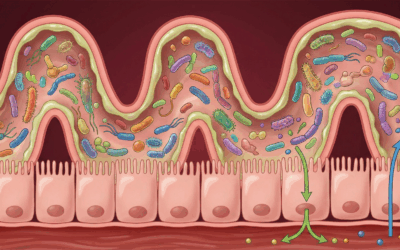
Perhaps the most biologically profound shift is recognizing the gut microbiome as a master regulator of mood. The Microbiota-Gut-Brain Axis links the enteric nervous system to the CNS. Psychobiotics are live bacteria that yield mental health benefits. The specific combination of Lactobacillus helveticus R0052 and Bifidobacterium longum R0175 demonstrates significant reductions in anxiety and depression by restoring intestinal barrier integrity and reducing neuroinflammation.
In extreme cases, Fecal Microbiota Transplantation (FMT) is utilized to reset microbiome ecology. Preclinical studies show that transferring fecal matter from depressed humans to germ-free rats induces depressive behaviors in the rats. A 2024 meta-analysis confirmed that FMT significantly reduced depressive symptoms, particularly in TRD patients with comorbid gastrointestinal distress.
Adler & Mindell: The Body Speaks
Alfred Adler coined the term "Organ Jargon," noting that the body physically expresses what the mind cannot. Later, Arnold Mindell explicitly merged psychology with somatic illness, arguing that physical symptoms are profound psychological events trying to unfold. The gut-brain axis proves that an inflamed microbiome is literally the physiological manifestation of psychological distress.
Neuromodulation & Rapid-Acting Pharmacotherapy
The era of waiting six weeks for an SSRI to take effect is ending. SAINT (Stanford Accelerated Intelligent Neuromodulation Therapy) represents the high-precision evolution of TMS. Delivering ten sessions a day for five days using fMRI guidance, remission rates have reached levels significantly higher than standard rTMS outcomes.
Pharmacologically, the field is pivoting toward glutamate and GABA modulation. Auvelity, the first oral NMDA receptor antagonist approved for MDD, offers symptom relief in as little as one week. Additionally, psilocybin therapy is nearing FDA clearance. Phase 3 trials indicate that millions of Americans could be eligible for psychedelic therapy, utilizing high-dose, monitored sessions to rapidly rewire entrenched neural circuits.
Jean Piaget & Cognitive Disruption
Jean Piaget understood that growth requires accommodation—the shattering of old, rigid mental schemas to allow for new information. Psychedelics and rapid neurostimulation biologically force this exact Piagetian process. By disintegrating the rigid Default Mode Network, they force the brain to abandon its entrenched depressive schemas and accommodate new, expansive realities.
Precision Psychiatry at Taproot Therapy Collective
We are officially entering the era of Precision Psychiatry, where treatment selection is guided by the specific physiological phenotype of the patient. Whether it is the hardware reset of a Stellate Ganglion Block for the agitated patient, or the anti-inflammatory properties of psychobiotics for the patient with dysbiosis, we finally possess the tools to treat the entirety of the human system.
Review the credentials of our clinicians who specialize in deploying these advanced, systemic modalities across the State of Alabama:
Move Beyond the Talk Therapy Plateau
If traditional interventions have failed to resolve your suffering, it is time to treat the neurobiological root. Partner with a clinical team equipped to map your brain and regulate your nervous system.
Schedule a Comprehensive Assessment















0 Comments