
How Ancient Myths Can Guide Modern Healing: The Work of Karl Kerényi
As therapists who practice depth psychology, we often find that the ancient myths and stories of humanity hold profound wisdom for our modern lives. The patterns in these stories, or archetypes, can help us understand our own struggles, relationships, and paths to healing. One of the most important figures in this field was Karl Kerényi, a scholar whose work built a bridge between mythology and the human psyche.
Who Was Karl Kerényi?
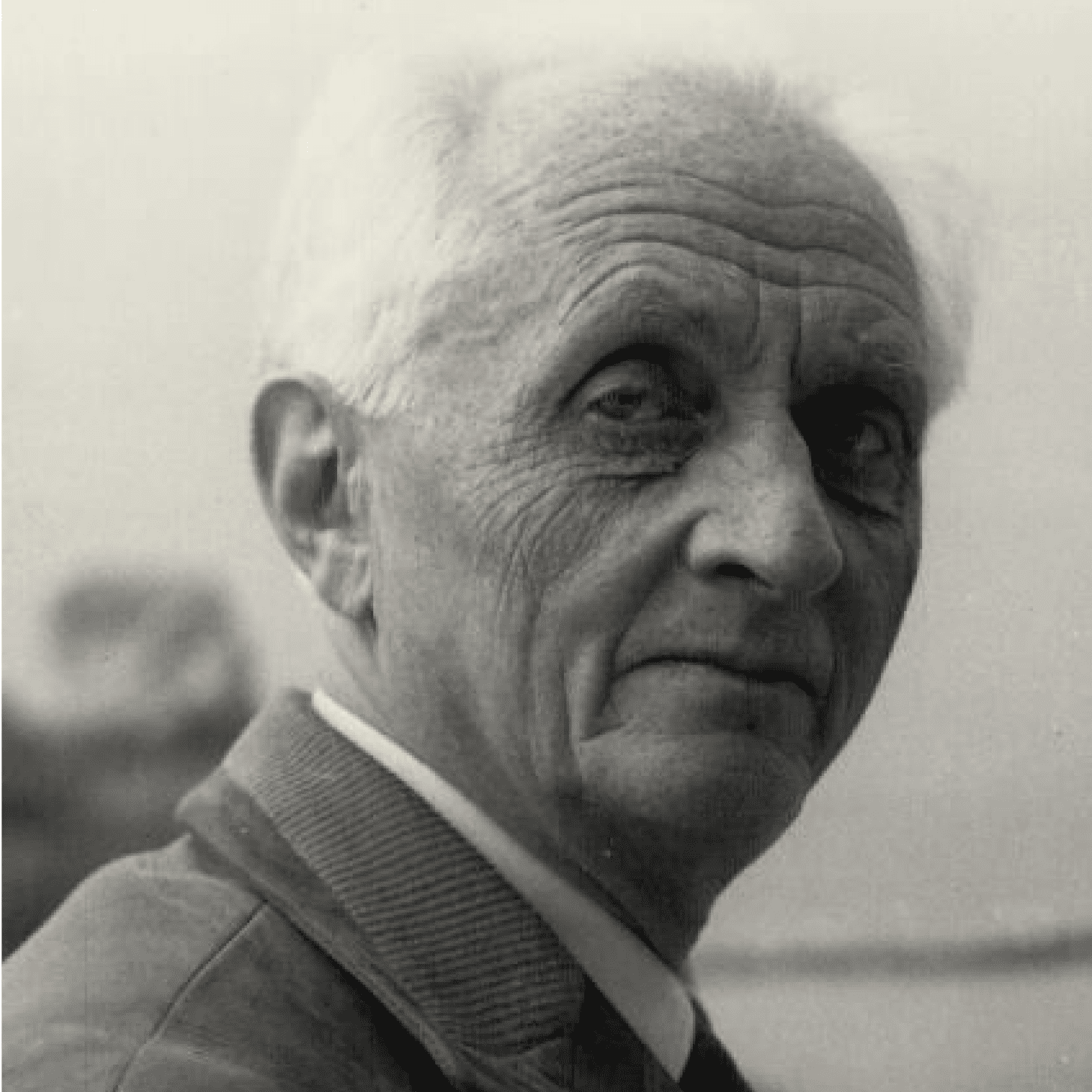
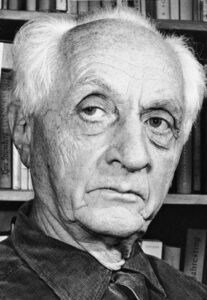
Karl Kerényi (1897-1973) was a Hungarian scholar of classical philology, religion, and mythology. Along with Carl Jung and Mircea Eliade, he was one of the founding figures of modern archetypal psychology and the study of myth. Kerényi’s work explored the enduring power of mythological images and their significance for the human psyche.
Born in Hungary, Kerényi studied classical philology at the University of Budapest and later at the University of Greifswald in Germany. He became interested in the study of religion and mythology through his encounters with the work of Walter F. Otto, a German scholar who emphasized the experiential and existential dimension of ancient Greek religion.
Kerényi and Jung: Understanding the Archetypes
Kerényi’s approach to mythology was deeply influenced by his collaboration with Carl Jung. The two first met in 1933 and maintained a close intellectual partnership until Jung’s death in 1961. Together, they developed the concept of archetypes – universal patterns or motifs that shape human experience and find expression in myths, dreams, and other products of the creative imagination.
Key Mythological Studies and Their Meaning
Kerényi’s brilliance was in his ability to make ancient myths feel alive and relevant. He didn’t just study them as dead history; he saw them as living maps of the human soul.
The Gods of the Greeks
In his major work, The Gods of the Greeks, Kerényi offered a comprehensive survey of the divinities of ancient Greek religion, exploring their origins, characteristics, and significance. Unlike many classical scholars of his time, Kerényi emphasized the living, experiential quality of Greek religion and its relevance for modern spiritual seekers.
Dionysus: Archetype of Indestructible Life
Kerényi’s Dionysus: Archetypal Image of Indestructible Life is a masterful study of the Greek god of wine, ecstasy, and rebirth. He traced the evolution of the Dionysian cult from its origins in ancient Minoan Crete through its later developments in mainland Greece and Rome. Kerényi saw Dionysus as an archetypal figure representing the indestructible vitality of life in the face of death and dissolution.
Eleusis: The Mother-Daughter Bond
In Eleusis: Archetypal Image of Mother and Daughter, Kerényi explored the mysteries of Demeter and Persephone, the Greek goddesses of grain and the underworld. He interpreted the Eleusinian mysteries, the secret initiatory rites performed at Eleusis, as an expression of the archetypal bond between mother and daughter and the cyclical rhythms of nature.
Hermes: Guide to the Unconscious
Kerényi also wrote extensively on Hermes, the Greek god of communication, commerce, and the crossroads between life and death. He saw Hermes as a key figure for understanding the role of the unconscious in human life, and as a mediator between the conscious and unconscious realms.
Why Kerényi’s Work Matters for Modern Therapy
Throughout his work, Kerényi emphasized the transformative power of mythological images. He believed that by engaging with these images through art, literature, and religious practice, modern individuals could reconnect with the deepest sources of meaning and vitality in life.
Kerényi’s ideas had a significant influence on the development of Jungian and archetypal psychology. His emphasis on the phenomenology of religious experience and the autonomy of mythic images helped to shape the work of James Hillman, the founder of archetypal psychology.
Kerényi’s collaboration with Jung also helped to bridge the gap between psychology and the study of religion. By demonstrating the psychological significance of mythological themes and symbols, Kerényi and Jung opened up new avenues for the cross-cultural study of the human psyche.
In the field of religious studies, Kerényi’s work helped to shift the focus from abstract theological doctrines to the lived experience of religious practitioners. Along with Mircea Eliade and other scholars of the history of religions, Kerényi emphasized the transformative power of sacred narratives and rituals.
Kerényi’s legacy can also be seen in the contemporary field of myth studies. His insistence on the enduring relevance of mythological themes for modern life helped to inspire a new generation of scholars and writers, from Joseph Campbell to Roberto Calasso.
How We Use These Insights at Get Therapy Birmingham
Understanding these ancient patterns is more than an academic exercise—it’s a powerful tool for healing. When you feel “stuck” in a pattern you can’t escape, or when life feels like it has lost its meaning, the insights of archetypal psychology can provide a new map.
Here in Birmingham, our therapists use a Jungian-informed approach to help you explore the “myths” that are shaping your life, often unconsciously. By understanding the archetypal stories of the Mother, the Hero, the Trickster, or the Wounded Healer, we can gain clarity on our own struggles and find new pathways to wholeness. If you are seeking a deeper form of therapy that goes beyond just managing symptoms, we are here to help.
Further Reading on Kerényi and Mythology
Some key works that explore Kerényi’s life and ideas include:
- Hermes Guide of Souls by Karl Kerényi
- Thomas Karlsson’s Amongst Mystics and Magicians in Stockholm
- The Laughter of Aphrodite: Reflections on a Journey to the Goddess by Peter Kingsley
- Jung and the Lost Gospels: Insights into the Dead Sea Scrolls and the Nag Hammadi Library by Stephan A. Hoeller
As a pioneer in the modern study of myth and religion, Karl Kerényi’s work remains an essential resource for anyone interested in the role of mythological images in shaping human experience.











0 Comments