The Dictionary of the Psychology of Architecture

by | Jun 28, 2026 | 0 comments

Introduction: The Architecture of the Psyche

The built environment is far more than a collection of utilitarian shelters designed to protect human bodies from the elements; it is the physical manifestation of the collective unconscious, an archaeological layering of the human mind rendered in stone, glass, and steel. Architecture operates at the precise intersection of dialectical materialism and depth psychology. On one hand, the structures we inhabit are dictated by the material conditions of their time—the availability of land, the exploitation of labor, the accumulation of capital, and the technological limitations of construction. On the other hand, these structures function as psychological containers designed to manage the profound anxieties of their eras, satisfying archetypal needs for safety, meaning, connection, and transcendence.

When the pioneering psychoanalyst Carl Jung experienced his famous 1909 dream, he found himself descending through a multi-story house. He began on the top floor, decorated in a stiff, modern rococo style representing his conscious mask, or Persona. Descending the stairs, the architecture shifted to a dark, medieval ground floor symbolizing his personal unconscious. Further down, he discovered a Roman cellar, and finally, beneath the foundation, a prehistoric cave filled with ancient bones—the Collective Unconscious. This dream crystallized a fundamental psychological truth: humanity inhabits itself through its buildings. For centuries, architects designed for the eyes, and psychologists treated the mind, with little intersection between the two disciplines. Today, the emerging field of neuro-architecture bridges this gap, proving that spatial design directly shapes the psyche.

The Body Beneath the Blueprint: Neuroception and Space

The human nervous system processes architecture long before the conscious mind can evaluate its aesthetic merits. Through a process defined by Stephen Porges’ Polyvagal Theory as "neuroception"—the autonomic nervous system's continuous, subconscious scanning of the environment for cues of safety and danger—spatial design triggers profound physiological states. Sharp corners, exposed seating, and harsh, high-frequency blue lighting activate the amygdala, signaling danger and forcing the body into a sympathetic fight-or-flight response. Conversely, biophilic curves, warm lighting, and central hearths engage the myelinated ventral vagal nerve, functioning as a biological brake on the heart and inducing a state of calm, social engagement, and psychological safety.

Every architectural style in human history has been a response to this biological and psychological imperative. From the Neolithic dolmen acting as a bulwark against the terror of death , to the algorithmic curves of Parametricism attempting to transcend human limitations in the digital age , the built environment is the most accurate historical record of our collective anxieties and aspirations. This comprehensive dictionary catalogs the psychological forces that move our buildings, analyzing the origins, mechanisms, rebellions, and eventual failures of the world's defining architectural movements.

Quick Style Index

The Primal Foundations and the Quest for Permanence

Neolithic Architecture and the Megalith The Cosmic Center

The birth of architecture during the Neolithic period marked a profound structural shift in human psychology and spirituality. This style emerged from the material conditions of the agricultural revolution, as the transition from nomadic hunter-gatherer societies to settled agrarian communities required the anchoring of human populations to specific geographic locations. The construction of massive stone dolmens and megalithic portal tombs represented the human ego’s first conscious attempt to achieve immortality through the manipulation of the physical environment.

These structures provided profound psychological security by creating a permanent "house for the dead," signifying the crystallization of memory and establishing a fixed cosmic center. By building heavy stone enclosures with narrow, dark entrances, early humans sought to recreate the ultimate security of the womb, an architectural manifestation of the "primal sphere" before the psychological separation of the subject and object. The primary anxiety expressed by Neolithic architecture is the terror of oblivion and the psychological shock of realizing human mortality. It rebelled against the transience and impermanence of the nomadic lifestyle, attempting to forge an unbroken connection with the divine.

Megalithic architecture excelled at creating trans-generational connectedness and cosmic orientation. Structures like the Dolmen de Menga were perfectly aligned with the summer solstice, creating a literal and symbolic bridge between the terrestrial landscape and celestial powers. However, this architecture was severely limited in its utility; it was designed for ritual, death, and the gods, not for the complex, daily habitation of the living. It rose as a necessary psychological technology to process the trauma of agricultural settlement and the awareness of death. It fell as societies developed more complex stratifications that required diversified structures beyond communal tombs and ritualistic temples, paving the way for the civic architecture of antiquity.

The Search for Legitimacy and the Foundations of the Republic

Colonial Architecture The Great Mother

Colonial architecture emerged in the 17th to mid-19th centuries during the early, brutal stages of global imperialism and American capitalism. The material conditions that led to its creation were defined by extreme wealth inequality, the violent extraction of resources, the transatlantic slave trade, and the claiming of the frontier. This architectural style, characterized by its strict symmetry, orderly facades, and central fireplaces, is a direct expression of the Home archetype. The hearth acted as the physical and psychological center of gravity for the structure, invoking the Great Mother archetype to provide a sense of maternal warmth and nurturing in a hostile environment.

The Psychological Mask

Colonial architecture was not a rebellion; rather, it was a desperate psychological anchor. It expresses a deep cultural inferiority complex, mortality salience, and a profound fear of the unknown. The early settlers, facing an untamed continent, utilized European architectural styles as a psychological compensation mechanism—an attempt to assert legitimacy, cultural continuity, and civilized order in an alien landscape.

This style was highly effective at projecting stability, social status, and a comforting veneer of order. However, its rigidly symmetrical, polite facades functioned as a deceptive psychological mask. Colonial architecture actively hid its own Shadow—the brutal realities of chattel slavery, the squalor of the slave quarters hidden behind the main house, and the violence required to erase indigenous populations and their native structures. The style rose as a survival mechanism against frontier anxiety and a tool for establishing cultural dominance. It ultimately fell out of favor as the newly independent nation sought to forge a distinct identity separate from the British Empire, giving way to the democratic idealism of the classical revivals.

Greek Revival The Wise Old Man

Flourishing in the United States from approximately 1825 to 1860, Greek Revival architecture was propelled by the material wealth of a young, rapidly expanding republic. Driven by the need to build statehouses, banks, and courthouses that projected institutional permanence, this style drew direct inspiration from the temples of ancient Athens. Through a Jungian lens, Greek Revival embodies the Hero and Wise Old Man / Sage archetypes. By adopting the architectural language of antiquity, the young American nation provided itself with a psychological anchor, asserting that despite its raw, industrializing reality, it was the rightful, enlightened heir to Western civilization.

The imposing columns and pediments offered the psychological security of rationalism, order, and the rule of law. This style rebelled vehemently against the aristocratic, monarchical associations of British Colonial and Georgian architectures, favoring a perceived egalitarian and logically pure approach to design. Yet, beneath this confident exterior, Greek Revival betrays a profound collective anxiety regarding the fragility of the American democratic experiment. The heavy, monumental structures acted as defensive psychological fortifications against the looming chaos of early industrialization, political division, and the untamed frontier.

Greek Revival excelled at inspiring civic pride, projecting dignity, and creating "topophilia"—the love of place generated through architectural grandeur. However, it failed entirely in its moral hypocrisy. The white columns of Greek Revival mansions in the American South projected the high-minded ideals of Athenian democracy while serving as the literal facades of the plantation slave economy, creating a massive, unresolved dissonance between the nation's architectural Persona and its cultural Shadow. The style rose in tandem with the Greek War of Independence, capturing the romantic imagination of a republic desperate for an identity. It fell because its rigid geometric purity could not adapt to the complex spatial needs of the late 19th century, and its rational austerity eventually felt emotionally cold and spiritually hollow.

The Romantic Rebellion and Victorian Anxieties

Gothic Revival & Romantic Architecture The Shadow & Self

Emerging in the late 18th century and flourishing through the 19th century, Gothic Revival and Romantic architecture were driven by the traumatic onset of the Industrial Revolution. The material conditions of this era were defined by mass migration to squalid cities, the mechanization of labor, and the rapid degradation of the natural landscape. Conversely, new technological advancements in cast iron and glass allowed architects to achieve soaring verticality and luminous, open interiors.

Embracing the Unconscious

Psychologically, Gothic and Romantic architecture represent the deliberate embrace of the Jungian Shadow and the Anima/Animus. In a rapidly secularizing, factory-driven world, these styles offered the security of spiritual depth, emotion, and psychological transcendence—symbolized by soaring pointed arches and spires reaching for the Self archetype. This movement was a violent, ideological rebellion against the strict rationalism, symmetry, and cold logic of Enlightenment Neoclassicism and the soulless efficiency of the industrial machine. It rejected the factory in favor of a romanticized vision of misty, medieval Britain inspired by the literature of Sir Walter Scott.

These styles express a deep existential dread of industrial alienation, urbanization, and the loss of the human soul. The frequent inclusion of artificial ruins and rugged, unhewn materials speaks to a cultural anxiety regarding human mortality and the ultimate permanence of nature over human endeavor. Gothic and Romantic architecture succeeded in evoking awe, spiritual contemplation, and emotional warmth, integrating structures seamlessly into natural, picturesque landscapes. Conversely, their romanticization of a pre-industrial, agrarian past functioned as a dangerous escapist fantasy that completely masked the brutal realities of contemporary class conflict, poverty, and social inequality. The style rose as a necessary therapeutic escape hatch for a society traumatized by industrialization. It declined as its elaborate, handcrafted ornamentation became too costly to maintain, and its deeply nostalgic orientation proved incapable of housing the forward-looking, bureaucratic institutions of the 20th century.

Victorian Eclecticism The Architectural Persona

Victorian Eclecticism, prevalent during the reign of Queen Victoria (1837-1901), reflects a period of unprecedented architectural exuberance and aesthetic chaos. The material conditions that fueled this style were driven by high British Imperialism, the explosive wealth of the Industrial Revolution, and the rise of a newly affluent middle class eager to display its status. Crucially, the invention of balloon framing and the mass-production of nails and ornamental trim allowed complex architectural features to be built cheaply and quickly.

Psychologically, Victorian Eclecticism represents the process of individuation—the ego's attempt to confront and integrate multiple, often contradictory historical aspects of the self into a single, cohesive structure. It provided the newly wealthy with the security of social status, acting as an architectural Persona that broadcasted worldly knowledge, sophistication, and imperial reach by incorporating diverse motifs from around the globe. It rebelled entirely against the purity, restraint, and historical accuracy of classical forms, embracing a maximalist fusion of styles.

Beneath the exuberant ornamentation lay profound cultural insecurity. The style betrays a desperate psychological need to display wealth to avoid social invisibility in a rapidly shifting class structure. Furthermore, the excessive decoration served as a psychological defense mechanism—a distraction compensating for the repressed Shadow of Victorian society. Behind the veneer of architectural respectability hid rampant urban poverty, child labor, moral hypocrisy, and the horrors of colonial exploitation. While it was highly effective at demonstrating individualism and technological prowess, it failed structurally and ethically; the reliance on catalog pattern books prioritized superficial visual effects over structural integrity, resulting in a culturally appropriated, pastiche architecture devoid of authentic grounding. It rose on the tide of industrial wealth , but fell as the sheer visual weight of its ornamentation became psychologically exhausting, triggering the minimalist backlash of the Modernist and Arts and Crafts movements.

Architectural Style Core Jungian Archetype Primary Psychological Defense Societal Shadow Masked
Colonial The Home / Great Mother Compensation Complex Eradication of indigenous peoples; wealth inequality.
Greek Revival The Hero / Wise Old Man Projection of Rationality Chattel slavery; class hierarchies.
Gothic Revival The Shadow / The Self Romantic Escapism Industrial alienation; urban class conflict.
Victorian Eclectic The Persona Maximalist Distraction Urban poverty; imperial exploitation.

The Search for Authenticity and Civic Grandeur

The Arts and Crafts Movement The Artisan

Emerging in the late 19th and early 20th centuries, the Arts and Crafts Movement was born out of a growing moral and psychological concern regarding the dehumanizing effects of factory labor and the mass production of low-quality consumer goods. The movement embodies the Artisan / Creator and Sage archetypes, pursuing excellence, mastery of craft, and the search for authentic truth.

The Arts and Crafts philosophy provided psychological security by returning to human-scale design. By emphasizing natural materials, exposed structural joinery, and low, horizontal profiles (such as the Craftsman bungalow) that hugged the earth, the style created the "house as symbol of self". This architecture offered a therapeutic refuge from the alienation of the industrial city, suggesting that dignity could be found in simplicity rather than social pretense. It was a fierce ideological rebellion against the ornate artifice of Victorian Eclecticism and the capitalist commodification of human labor.

The movement expresses a profound anxiety over the loss of human agency, the degradation of the worker's soul, and the alienation of the individual from the natural world. It excelled at creating warm, deeply grounding environments that engaged the parasympathetic nervous system. Its reliance on organic architecture—later championed by figures like Frank Lloyd Wright, who utilized the hearth as a spiritual center and harmonized structures with their natural environments (read about the complications of Wright's legacy)—optimized the human psychological experience. However, the movement ultimately failed in its socialist ambitions; the intense, skilled manual labor required to produce authentic Arts and Crafts homes made them exorbitant luxury goods, rendering them completely inaccessible to the working class the movement sought to elevate. It rose on the philosophical writings of John Ruskin and William Morris as a moral crusade to save the human soul , but fell because it could not scale economically, eventually being streamlined into early Modernism.

Beaux-Arts & The City Beautiful Movement The Ruler

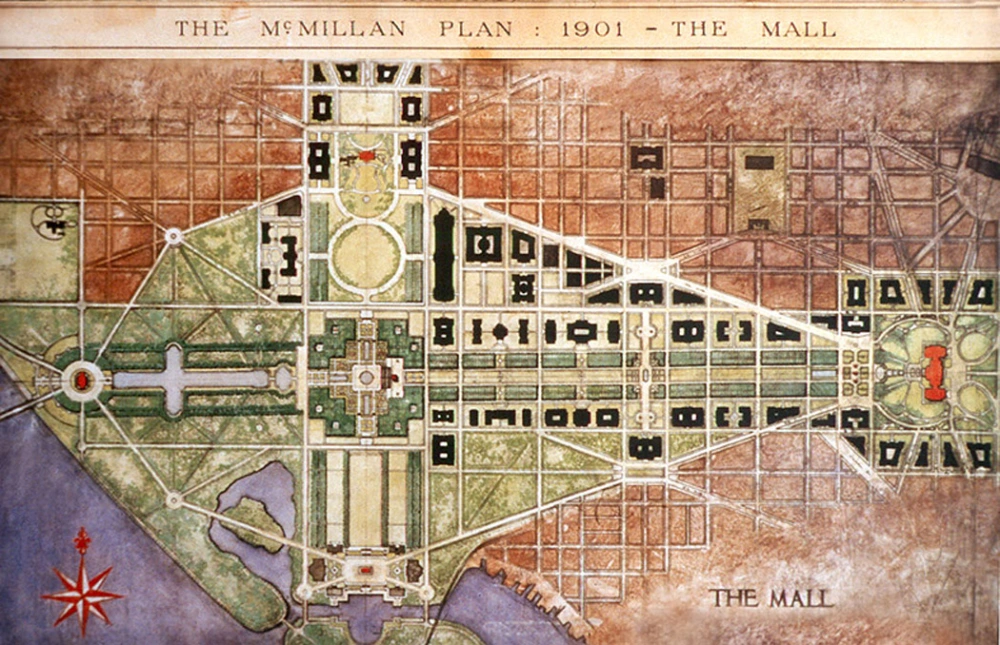
Flourishing from the 1890s to the 1920s, the Beaux-Arts and City Beautiful movements were funded by the immense monopolies of the Gilded Age. The material conditions of the era were defined by exploding, disease-ridden, and chaotic urban populations that threatened the stability of the industrial elite. This movement weaponized the Great Mother, Hero, Ruler, and Creator archetypes on a macro scale. It offered psychological security by imposing overwhelming classical order, symmetry, and monumental beauty onto the chaotic urban landscape, providing citizens with a sense of dignity and participation in Western civilization's grand narrative.

These movements rebelled against the squalid reality of the industrial slum, the unplanned growth of American cities, and the aesthetic fragmentation of Victorian architecture. Despite its confident exterior, the City Beautiful movement was saturated with the elite's terror of the urban underclass. The monumental scale betrays deep anxieties regarding social unrest, moral decay, and the uncontrollable influx of diverse immigrant populations.

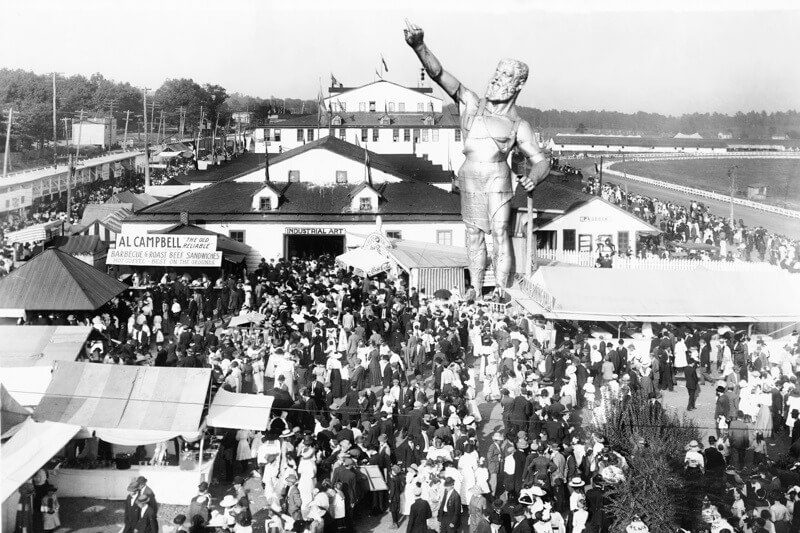
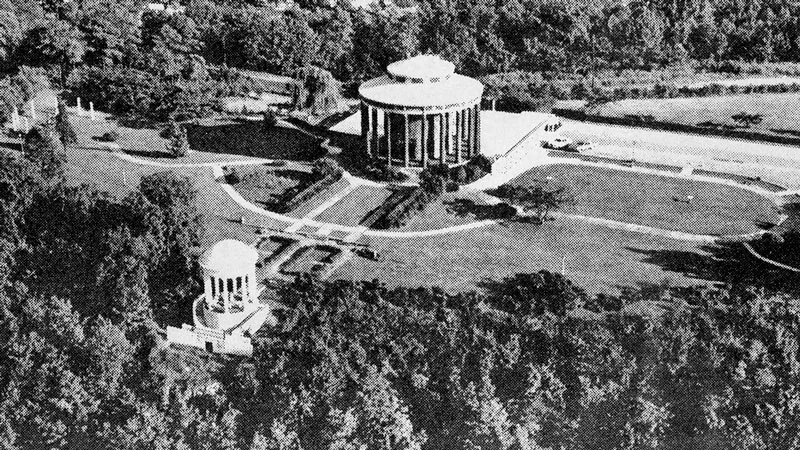
A Clinical Example in Alabama: George B. Ward, the early 20th-century mayor of Birmingham, Alabama. Traumatized by the chaotic, violent energy of the industrial boomtown, Ward developed a lifelong obsession with order. He built a massive Roman temple on an estate in Vestavia Hills, functionally creating a panopticon of privilege that looked down upon the industrial grime of the city. Ward's estate was an architecture of psychological elevation and defense, embodying "archetypal inflation"—the dangerous psychological tendency to identify with godlike, imperial images.

The City Beautiful movement succeeded brilliantly in creating democratic spaces, public parks, and civic monuments that elevated the psychological wellbeing of the public. However, its Shadow was inherently authoritarian. The desire for aesthetic unity frequently resulted in the ruthless demolition of working-class neighborhoods, utilizing architecture as an instrument of social control and the suppression of difference. It rose as a utopian vision to cure social ills through aesthetic beauty , but fell during the Great Depression as its astronomical costs became unjustifiable, and its imperial, autocratic undertones fell out of favor following the rise of global fascism.

The Machine Age and The Corporate Ego

Art Deco and Streamline Moderne The Creator

Emerging in the 1920s and 1930s, Art Deco was driven by the economic boom of the Roaring Twenties and rapid advancements in aviation, electricity, and metallurgy. Art Deco is the architectural incarnation of the Hero and Creator archetypes. Emerging in the traumatized wake of World War I, it provided psychological security through a profound, almost religious faith in human progress, logic, and technological mastery.

The style functioned as a psychological bridge between the dirty, coal-fired past and a clean, electrical future. For example, the Alabama Power Building in Birmingham, crowned with the golden Art Deco statue of "Electra," utilized verticality to pull the human gaze upward in optimism, offering a mythological narrative that transcended industrial grit. Art Deco rebelled against heavy, earth-bound historical revival styles and the emotional turbulence of romanticism, favoring sleek, aerodynamic, and forward-looking forms.

However, its obsession with extreme luxury, escapism, and shiny metallic surfaces served as a psychological defense mechanism against the geopolitical instability and grief of the interwar period. Art Deco was unmatched in its ability to project confidence, glamour, and optimism, perfectly capturing the zeitgeist of the Jazz Age. Yet, its evolution into Streamline Moderne ushered in the psychology of planned obsolescence—manipulating consumer desires to serve corporate capitalism by prioritizing aesthetic novelty over longevity. It rose as the visual language of modern, mechanized hope , but fell sharply with the onset of World War II, as its opulent use of materials became impossible to justify amid global austerity.

Passive Solar & Oil Crisis Architecture Ecological Justice

In the 1970s and 1980s, the material conditions of the built environment shifted dramatically due to the limits of the Fordist regime of accumulation, rising global energy costs, and the geopolitical shock of the 1973 oil crisis. Passive Solar architecture emerged to provide the security of environmental responsibility, self-reliance, and ecological justice.

This movement was a direct rebellion against the energy-blind, hyper-consumptive International Style and the modernist glass boxes that required massive amounts of fossil fuels to heat and cool. It expressed profound societal anxieties regarding energy dependency, resource scarcity, and the vulnerability of the Western lifestyle to geopolitical instability. While the movement excelled at functional efficiency and integration with environmental realities, it often prioritized engineering metrics over aesthetic and psychological resonance. It rose out of pure economic and ecological necessity, and while it faded as a distinct visual style when oil prices stabilized, its core principles were absorbed into the foundational DNA of modern sustainable building standards.

Deindustrialization & The Corporate Headquarters The Fabricated Village

Spanning the 1980s to the 2000s, this architectural typology was birthed by the deindustrialization of the American economy, the rise of the service and knowledge sectors, and the dominance of neoliberal globalization. As long-term labor contracts eroded and the gig economy introduced mass precarity, the Postmodern Corporate Headquarters utilized the Ruler archetype acting as a Caregiver to project global dominance.

Architectural Apartheid

By creating insular, sprawling campuses with massive atriums, gourmet cafeterias, and fitness centers, these buildings provided employees with a fabricated sense of community, purpose, and safety within a placeless global economy. This style rebelled against the sterile, anonymous glass boxes of mid-century corporate modernism, reintroducing sculptural forms, historical pastiche, and iconic branding by "starchitects" to assert corporate identity.

The grand, self-contained corporate campus betrays a profound anxiety regarding the erosion of the social contract. Corporations used lavish architectural amenities to mask the fundamental instability of the modern workforce, functioning as a form of corporate welfare. While these structures effectively created recognizable brand identities and temporarily boosted employee morale by simulating village life inside a corporate envelope , they functioned as "architectural apartheid." They isolated the corporate elite from surrounding urban decay, creating luxurious prisons that encouraged employees to merge their entire identities with their employer and never leave the workplace. The style rose alongside the deregulation of financial markets , but is currently in a state of rapid decline as the shift to remote work has rendered these massive, centralized psychological control centers obsolete.

The Postmodern and Ecological Turn

Postmodern Classicism The Trickster

Emerging in the 1980s, Postmodern Classicism was a critique of the catastrophic social and environmental failures of mid-century urban renewal, which had prioritized abstract, placeless environments over human-scale living. Rooted in the Wise Old Man, Trickster, and Great Mother archetypes, this movement sought to reconnect with cultural continuity and historical memory.

It offered psychological security by reintegrating classical elements into contemporary design, providing a familiar aesthetic grounding in a rapidly changing world. It rebelled fiercely against modernist orthodoxy and anti-historical aesthetics, which many felt had stripped the built environment of its soul. The movement addresses profound anxieties over the loss of identity and meaning, and the alienating abstraction of the modern world. Postmodern Classicism excelled at the playful, sometimes ironic use of history to create psychologically resonant spaces. However, its limitation lay in its tendency to devolve into superficial pastiche, often utilizing classical forms without a critical awareness of the imperial power structures those forms historically represented.

New Urbanism and the Sanctuary Paradox Rebuilding the Threshold

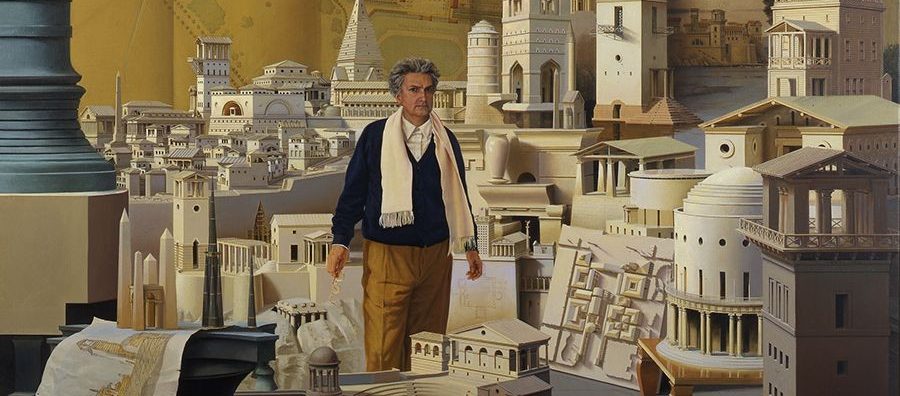
Closely tied to Postmodern Classicism, New Urbanism emerged to combat the psychological devastation of automobile-dependent suburban sprawl. Spearheaded by theorists like Leon Krier and Andres Duany, New Urbanism seeks psychological wholeness and individuation by designing at a walkable, human scale. It provides biological security by recreating the "Threshold"—the vital psychological transition zone between public and private spaces, such as the front porch—which allows residents to safely transition from their social Persona to their private Self.

The movement is a total rebellion against single-use zoning, massive highways, and car-centric planning that destroyed the civic fabric. It addresses the profound epidemic of suburban isolation, atomization, and loneliness. New Urbanism excels at fostering spontaneous social engagement, which neurologically activates the ventral vagal state, promoting community health and emotional regulation.

The Sanctuary Paradox: Local Case Studies

However, its fatal flaw lies in what can be termed the "Sanctuary Paradox". In its attempt to curate perfect historical aesthetics and optimized living, New Urbanism often relies on draconian Homeowner Association (HOA) covenants and exclusionary zoning. This transforms the community into a simulated, hyper-controlled psychological ecosystem.

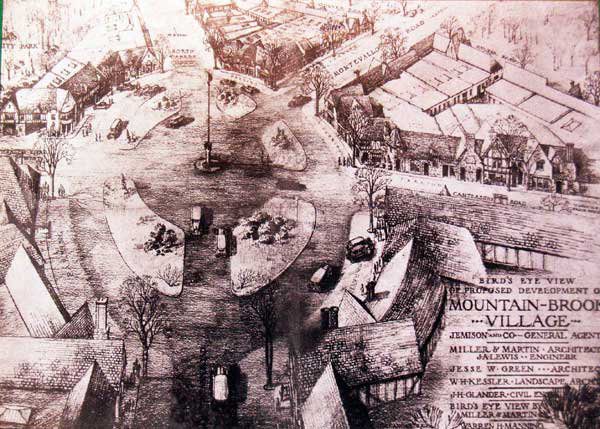
  • A clinical example is Mountain Brook, Alabama. Designed by Robert Jemison Jr. in the 1920s as a "peaceful retreat" for the industrial elite, the city was intentionally built without sidewalks to prioritize the automobile and enforce geographic exclusivity. This deliberate infrastructure choice created a legacy of "intimate atomization" and psychological isolation.
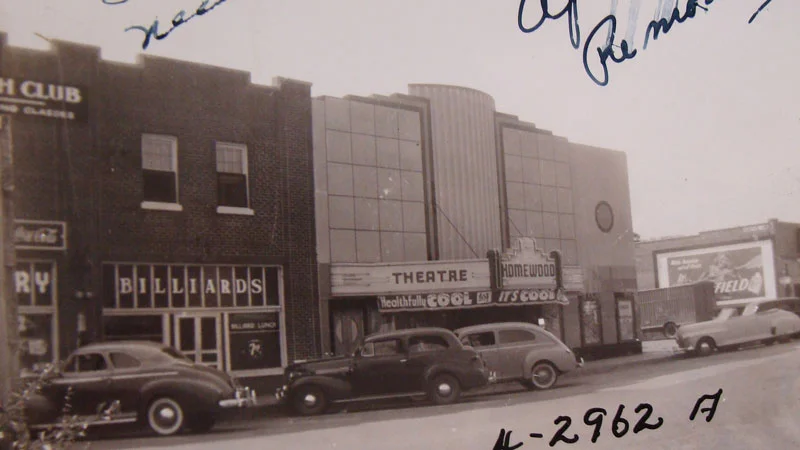
  • Similarly, the Homewood street grid features diagonal cuts and odd angles that trace the ghostly influence of forgotten 19th-century railroad infrastructure. Just as childhood trauma creates invisible neural pathways that dictate adult behavior, this forgotten transit infrastructure forces modern drivers into disorienting, dendritic patterns, proving that we orient ourselves around structures long after those structures disappear.
  • In Liberty Park, a master-planned New Urbanist community, the rigorous architectural control and obsession with elite school funding created a "psychological anchor" of perfectionism. This psychological engineering inadvertently generated a massive youth mental health crisis, where the pressure of constant achievement manifests as epidemic levels of anxiety and depression.

New Urbanism rose as a desperate cure for the alienation of the suburbs, but has repeatedly failed its own democratic ideals by devolving into fortified enclaves for the wealthy. (Also see: Highway 280 Psychology: How Bypass Infrastructure Created Isolation.)

Neo-Modernism The Caretaker

Emerging in the late 20th and early 21st centuries, Neo-Modernism represents a thoughtful return to modernist principles, driven by complex global environmental challenges and technological innovation. Embodying the Sage, Creator, and Caretaker archetypes, it provides security through ethical responsibility, visual clarity, and refined problem-solving.

Rather than a violent rebellion, it is a course correction, addressing the sterile failures of mid-century modernism while retaining its core functionalism. The style projects an image of sophisticated stewardship, yet it reveals deep anxieties regarding the failures of 20th-century urban planning and the tension between maintaining local identity in the face of homogenization and globalization. While it successfully balances aesthetic, functional, and environmental concerns, it continues to grapple with the risk of creating sterile, universal environments that lack cultural specificity.

The Digital and Ecological Frontier

Parametricism & Computational Design The Magician

In the 21st century, architectural material conditions are driven by the exponential growth of computational processing power, algorithmic modeling, artificial intelligence, and digital fabrication techniques like CNC milling and 3D printing. Governed by the Magician, Explorer, and Scientist archetypes, Parametricism and Computational Design provide the security of absolute data-driven optimization. Instead of relying on fallible human intuition, the architect inputs environmental data, allowing the algorithm to morph and "grow" the building's topology.

This is a radical rebellion against Euclidean geometry, the Cartesian grid, traditional manual construction limitations, and the boundaries of human imagination. However, these digital paradigms mask a profound, existential anxiety regarding human relevance. The reliance on advanced computational tools is a direct reaction to the terrifying complexity of modern data, reflecting a deep-seated fear that the human mind is no longer capable of managing the modern world, and that we are becoming obsolete in an automated landscape.

While algorithmic architecture excels at generating breathtaking, fluid, highly resource-optimized forms that reflect the post-Fordist logic of continuous innovation , it frequently fails at the human scale. A space designed purely by algorithms often feels fundamentally "dis-ensouled," lacking the primal geometry of the hearth or the protective boundary of the threshold that the mammalian nervous system requires to feel biologically safe.

Post-Digital Architecture & The Glass Self Dissolving Boundaries

Post-Digital Architecture bridges the virtual and physical realms, embedding pervasive digital technologies directly into physical spaces. Embodying the Trickster archetype, it rebels against the strict separation of digital and physical life, creating highly interactive and responsive environments.

The Neurological Panopticon

However, this movement is responsible for the architectural manifestation of the "Glass Self". Contemporary design heavily favors floor-to-ceiling glass walls, open concepts, and the deletion of interior boundaries. While aesthetically modern, it functions neurologically as a prison, mimicking the Panopticon. This architectural transparency parallels the psychological exposure of social media, completely dissolving the wall between the private Self and the public Persona. Because the human unconscious requires darkness and privacy to incubate, living constantly on display eliminates the individual's capacity to cultivate a healthy Shadow, leading to profound psychological fragility, exhaustion, and chronic hyper-vigilance.

New Materialism, Adaptive Reuse, and Biophilic Design The Phoenix

As the reality of the climate crisis, sick-building syndrome, and ecological collapse sets in, architecture has been forced to adapt. New Materialism rebels against anthropocentric arrogance, recognizing building materials not as inert resources to be exploited, but as active ecological agents. Adaptive Reuse embodies the Phoenix archetype, synthesizing preservation and progress by retrofitting obsolete industrial structures, thereby reducing carbon footprints and maintaining cultural memory in rapidly changing urban environments.

The most psychologically vital of these modern movements is Biophilic Design. Embodying the Nature and Nurturer archetypes, it seeks to reconnect humans with the natural world within the built environment. It rebels against the sterile, mechanistic architecture of the 20th century. The anxieties it addresses are existential: the terror of ecological collapse, the alienation of modern urban life, and the insecurity regarding humanity's survival disconnected from biological realities.

From a neuro-architectural perspective, Biophilic Design is deeply therapeutic. Integrating natural light, organic materials, and fractal geometric patterns down-regulates the amygdala and reduces cortisol levels, actively engaging the parasympathetic nervous system to aid in trauma recovery and cognitive function. The primary limitation of Biophilic Design is its susceptibility to capitalist "greenwashing"—where living walls or potted plants are superficially attached to fundamentally extractive corporate buildings to project an image of ethical responsibility without changing the underlying material conditions.

Movement / Paradigm Psychological Function Neuro-Architectural Impact Societal Anxiety Addressed
New Urbanism Rebuilding the Threshold High Social Engagement (Ventral Vagal) Suburban isolation; loss of civic identity.
Corporate Postmodern Fabricating Community Sedation / Containment Job precarity; erosion of the social contract.
Parametricism Transcending Biology Cognitive Overwhelm / Awe Irrelevance of the human mind in the AI era.
Post-Digital Dissolving Boundaries Hyper-vigilance (The Glass Self) Separation of physical and virtual reality.
Biophilic Design Reintegrating the Self Cortisol Reduction (Parasympathetic) Ecological collapse; techno-alienation.

Conclusion

The psychology of architecture reveals that humans do not merely build structures to keep out the rain; we build massive, physical manifestations of our internal psychological defenses. From the Neolithic dolmen acting as a bulwark against the terror of death , to the Greek Revival facades masking the atrocities of early capitalism , to the algorithmic curves of Parametricism attempting to transcend human limitations , the built environment serves as an uncompromising mirror of the collective unconscious.

As the architectural landscape moves further into the digital and metamodern era, the clinical intersection of depth psychology and neuro-architecture becomes existential. The human nervous system cannot be tricked by ideological aesthetic trends or algorithmic optimization; it will forever require the safety of the threshold, the grounding of the hearth, and the biological resonance of the natural world. The future of architectural design relies not on transcending our humanity through better technology, but on remembering the prehistoric, archetypal needs of the human soul, ensuring that the spaces we inhabit are capable of holding the full complexity of who we are.

Frequently Asked Questions

Common questions about the intersection of depth psychology, polyvagal theory, and the built environment.

How does architecture affect the human nervous system?

The human nervous system processes architecture long before the conscious mind evaluates its aesthetics. Through a process called neuroception (from Polyvagal Theory), the autonomic nervous system scans for cues of safety and danger. Sharp corners and harsh lighting activate the amygdala (fight-or-flight), while biophilic curves and warm lighting engage the ventral vagal nerve, inducing calm and psychological safety.

What is the psychological purpose of Neolithic architecture?

Neolithic architecture, like massive stone dolmens, represented the human ego’s first conscious attempt to achieve immortality. These structures provided profound psychological security by creating a permanent cosmic center, rebelling against the impermanence of nomadic life and addressing the terror of oblivion.

What is the Sanctuary Paradox in New Urbanism?

While New Urbanism seeks psychological wholeness through walkable, human-scale design, it often relies on exclusionary zoning and strict HOA covenants. This "Sanctuary Paradox" transforms communities into simulated, hyper-controlled ecosystems, inadvertently causing psychological isolation and perfectionism-induced anxiety, as seen in planned communities like Liberty Park or Mountain Brook.

What is the "Glass Self" in modern architecture?

The "Glass Self" refers to the psychological impact of Post-Digital Architecture, which heavily favors floor-to-ceiling glass and open concepts. This dissolves the boundary between the private Self and public Persona, functioning neurologically like a panopticon and leading to chronic hyper-vigilance and psychological exhaustion.

Explore the Other Articles by Categories on Our Blog 

Hardy Micronutrition is clinically proven to IMPROVE FOCUS and reduce the effects of autism, anxiety, ADHD, and depression in adults and children without drugsWatch Interview With HardyVisit GetHardy.com and use offer code TAPROOT for 15% off

Fractal Fluency: Why Your Nervous System Hates Minimalism

Fractal Fluency: Why Your Nervous System Hates Minimalism

Discover fractal fluency—the neuroscience of why natural patterns calm the brain while minimalist architecture stresses it. Learn how to create a “visual diet” for trauma recovery by designing environments with the right fractal dimension (D=1.3-1.5) to passively regulate the nervous system.

The Psychological Engineering of Mountain Brook: How Policy Became Identity in Alabama’s Wealthiest Enclave

The Psychological Engineering of Mountain Brook: How Policy Became Identity in Alabama’s Wealthiest Enclave

An in-depth psychological examination of Mountain Brook, Alabama—America’s most deliberately exclusive suburb—exploring how calculated planning, policy decisions, and social engineering created extraordinary wealth while generating a youth mental health crisis, environmental degradation, and regional inequality. A comprehensive analysis of the costs and contradictions of engineered perfection.

In Remembrance of Leon Krier

In Remembrance of Leon Krier

All experience is past by definition. Tradition is transmission of past experience which has become knowledge and know-how. Thus, we can with reason conclude that without tradition, there can be no language, no philosophy, no science, no technique, art, or industry....

The Psychology of Architecture:

The Psychology of Architecture:

Washington D.C.'s Sacred Geometry and the Revolutionary Transformation of Divine Authority  A Capital Born from Enlightenment When Pierre Charles L'Enfant stood upon Jenkins Hill in March 1791, surveying the wilderness that would become America's capital, he carried...

Temenos: How Sacred Geometry Can Transform Modern Urban Planning

A Deep Dive into Will Selman's Revolutionary Book Buy Will's Book Temenos Bridging Ancient Wisdom and Modern City Design In an era where cities face unprecedented challenges—from climate change to social disconnection—urban planner and author Will Selman presents a...

The “Lost World” of Miyazaki’s Masterpiece

The “Lost World” of Miyazaki’s Masterpiece

*This review contains spoilers for the film The Boy and the Heron What is The Boy and the Heron trying to tell us? To escape from this depressing situation, they often find themselves wishing they could live in a world of their own - a world they can say is truly...

Alvar Aalto: Organic Modernism and the Humanization of Design

Alvar Aalto: Organic Modernism and the Humanization of Design

Who was Alvar Aalto? Alvar Aalto (1898-1976) was a Finnish architect and designer whose work synthesized modernist ideals with a deep reverence for nature and humanism. Over a career spanning more than five decades, Aalto created a vast body of work that included...

Arne Jacobsen: Organic Modernism

Arne Jacobsen: Organic Modernism

Who was Arne Jacobsen? Arne Jacobsen (1902-1971) was a seminal figure in Danish modernist architecture and design. Over a prolific career, Jacobsen created a visionary body of work that fused the clean minimalism of the International Style with a distinctively...

Charles Eames: Pioneering Designer of the Modern Era

Charles Eames: Pioneering Designer of the Modern Era

Who were Charles and Ray Eames? Charles Eames (1907-1978) was a pioneering American designer whose groundbreaking work in furniture, architecture, and film helped define the aesthetic of postwar modernism. In partnership with his wife and creative collaborator Ray...

Ludwig Mies van der Rohe: Architect of the Modern Age

Ludwig Mies van der Rohe: Architect of the Modern Age

Who was Ludwig Mies van der Rohe? Ludwig Mies van der Rohe (1886-1969) was a towering figure in the history of modern architecture, whose influence continues to shape the built environment well into the 21st century. Over a career spanning more than half a century,...

Niels O. Möller: Master of Danish Modern Chair Design

Niels O. Möller: Master of Danish Modern Chair Design

Who was Niels Moller? Early Life and Training Niels Otto Möller was born in 1920 in Aarhus, Denmark. The son of a shoe manufacturer, Möller developed an appreciation for craftsmanship and materials from an early age. As a young man, he trained as a cabinetmaker before...

Hans J. Wegner: The Master of Chairs and teh Danish Modern

Hans J. Wegner: The Master of Chairs and teh Danish Modern

Hans J. Wegner: Archetypes of Danish Chair Design Hans J. Wegner (1914-2007) was a pioneering Danish furniture designer whose work helped define the aesthetic of mid-century modern design. Over a prolific career spanning nearly seven decades, Wegner crafted a stunning...

Adaptive Reuse: Breathing New Life into Existing Structures

Adaptive Reuse: Breathing New Life into Existing Structures

The Psychology of Adaptive Reuse Adaptive Reuse is an architectural approach that focuses on repurposing existing buildings for new functions while preserving their historical, social, or architectural value. This strategy has gained increasing prominence in the 21st...

Adaptive Architecture: Architecture of the Environment

Adaptive Architecture: Architecture of the Environment

The Psychology of Adaptive Architecture Adaptive Architecture: Architecture of the Environment Adaptive Architecture represents an innovative approach where buildings are designed to adjust and respond to their environment, occupants, and usage patterns. This emerging...

0 Comments

Submit a Comment

Your email address will not be published. Required fields are marked *